Tips for Creating a Productive Home Office Environment
Creating a productive home office environment is essential for anyone working remotely or managing tasks from home. The right setup can improve focus, reduce distractions, and help maintain a healthy work-life balance. In this post, we’ll share practical tips to help you design an efficient and comfortable home office that supports your daily tasks and long-term goals.
Choose the Right Location
Selecting the right spot in your home for your office is the first step. Ideally, find a quiet area away from high-traffic rooms like the kitchen or living room. A dedicated space, even if small, helps create a clear boundary between work and personal time.
Consider these factors when choosing your space:
– Good natural light to reduce eye strain and boost mood
– Enough room for your desk, chair, and storage needs
– Minimal distractions from household noise or activities
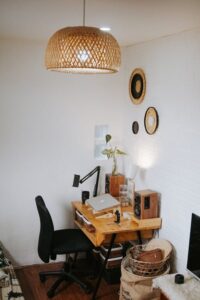
If space is limited, even a corner of a room can be transformed into a functional workspace.
Invest in Ergonomic Furniture
Comfortable furniture supports your body and reduces fatigue during long work hours. Ergonomics play a big role in preventing discomfort and health issues.
Key furniture considerations include:
– Desk: Choose a desk with enough surface area for your computer, notepads, and other essentials. Adjustable height desks are great for switching between sitting and standing.
– Chair: An adjustable chair with lumbar support encourages good posture. Make sure your feet can rest flat on the floor, and your arms are at a comfortable height.
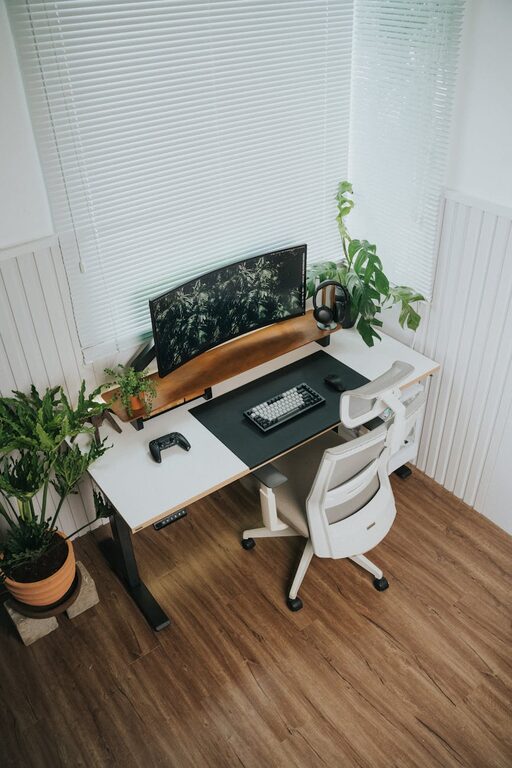
– Monitor Stand: Placing your computer screen at eye level helps prevent neck strain.
Prioritize comfort to stay focused and reduce the risk of aches or repetitive strain injuries.
Organize and Declutter Your Space
A tidy workspace can have a positive effect on your productivity and mental clarity. Clutter can distract you and increase stress levels, so it’s important to keep your home office organized.
Try these organization tips:
– Use drawers, shelves, or containers to store items neatly.
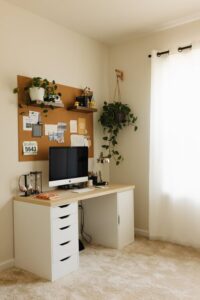
– Keep only daily essentials on your desk.
– Regularly declutter and remove items you no longer need.
– Label files and folders for easy access.
– Consider cable management solutions to avoid tangled cords.
An organized office helps you find what you need quickly and keeps your focus on work.
Optimize Lighting
Lighting affects your mood and energy. Natural light is best, as it reduces eye strain and helps regulate your body’s internal clock.
If natural light is limited, supplement with:
– Adjustable desk lamps that offer focused light for reading or tasks.
– Soft overhead LED lights that mimic daylight.
– Warm lighting options to avoid harsh glare.
Position your desk near a window if possible, but avoid direct sunlight that causes screen glare.
Minimize Distractions
Distractions can reduce your productivity and increase frustration. Identify common distractions in your home and take steps to minimize them.
Effective strategies include:
– Using noise-canceling headphones or white noise machines to block background sounds.
– Establishing clear boundaries with family or housemates during work hours.
– Setting specific “do not disturb” times.
– Turning off non-work-related notifications on your devices.
Creating a focused environment helps you stay on task and complete work more efficiently.
Personalize Your Workspace
Adding personal touches to your office can make the space more inviting and inspire creativity. Include items that motivate and calm you without cluttering.
Ideas for personalization:
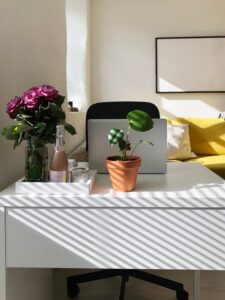
– Plants to improve air quality and add a touch of nature.
– Art or photos that bring positive feelings.
– Inspirational quotes or vision boards.
– A comfortable cushion or throw for your chair.
Personalization helps make your home office a place you want to spend time in.
Set a Routine and Boundaries
Even with a great workspace, productivity also depends on how you manage your time and habits.
Tips for a productive routine:
– Designate consistent working hours.
– Take regular breaks to stretch and refresh your mind.
– Keep work materials separate from leisure items.
– Use a planner or digital calendar to organize tasks.
– End your workday with a routine to signal it’s time to disconnect.
Clear boundaries help maintain a healthy separation between work and personal life.
Utilize Technology Wisely
Technology can boost your productivity if used well.
Helpful tools to consider:
– Task management apps to keep track of projects.
– Cloud storage for easy access to files.
– Communication apps for collaborating with colleagues.
– Time tracking apps to monitor work habits.
At the same time, avoid the temptation to multitask excessively or check social media frequently during work hours.
Keep Your Office Clean
Regular cleaning maintains a pleasant environment and supports your health.
Cleaning tips:
– Dust and wipe surfaces weekly.
– Clean your keyboard, mouse, and screen regularly.
– Air out the room to avoid stuffiness.
– Dispose of trash daily.
A clean office feels fresh and promotes focus.
—
Designing a productive home office involves more than just furniture and technology—it’s about creating a space that supports your work style and well-being. By applying these tips, you can develop an environment that helps you stay motivated, organized, and comfortable each day. Whether you work full-time from home or need a dedicated spot for occasional tasks, a well-planned office makes all the difference in your productivity.