Tips for Creating a Cozy and Inviting Home Office Space

Creating a cozy and inviting home office space is essential for staying productive and comfortable throughout your workday. Whether you work remotely full-time or just need a designated spot for occasional tasks, a thoughtfully designed workspace can boost your focus and make work feel less like a chore. In this post, we’ll explore practical ideas and tips to help you craft a home office that feels welcoming and suits your personal style.
Choose the Right Location
Selecting the right spot for your home office is the first step. Consider the following:
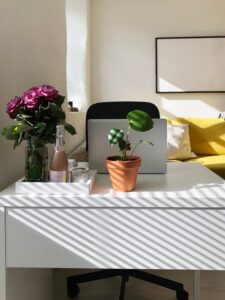
– Natural Light: Pick a space near a window if possible. Natural light can improve mood and reduce eye strain.
– Quiet Area: Choose a part of your home away from heavy foot traffic or noisy appliances.
– Space Requirements: Ensure there’s enough room for your desk, chair, and any equipment you need.
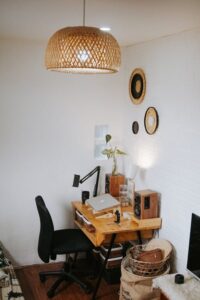
If space is limited, don’t worry—there are ways to create a cozy nook even in small corners.
Invest in Comfortable and Functional Furniture
Comfort is crucial when setting up your office:
– Ergonomic Chair: A supportive chair can prevent discomfort and promote good posture.
– Desk Size and Height: Pick a desk that fits your needs and allows comfortable arm positioning.
– Additional Seating: Consider a small armchair or pouf for moments when you want to relax or take phone calls away from your desk.
Remember, you don’t need to break the bank—there are many affordable, stylish options available.
Optimize Lighting for Productivity and Ambiance
Good lighting balances functionality and comfort:
– Layered Lighting: Combine natural light, overhead lights, and task lamps.
– Adjustable Desk Lamp: A lamp with adjustable brightness can help you focus and reduce eye fatigue.
– Warm Light Bulbs: Warm or soft white bulbs create a cozy atmosphere, while cooler bulbs can boost alertness.
Avoid glare on your computer screen by positioning your desk and lights thoughtfully.
Use Color and Textures to Make It Inviting
Color and texture greatly influence the mood of a room:
– Choose Soothing Colors: Soft blues, greens, or neutrals can foster calmness.
– Add Textiles: Rugs, cushions, and curtains add warmth and softness.
– Incorporate Wood or Natural Elements: Wooden desks or plants can make your space feel more grounded and refreshing.
Personalize your color scheme according to what makes you feel comfortable and inspired.
Organize and Declutter
A tidy space helps clear your mind:
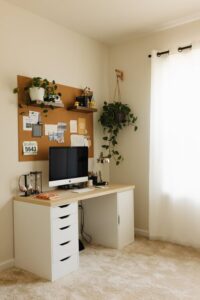
– Storage Solutions: Use shelves, drawers, or storage boxes to keep supplies organized.
– Cable Management: Hide or arrange cords to avoid a messy look.
– Daily Cleanup: Spend a few minutes each day tidying your workspace.
Minimal clutter boosts focus and makes the space more enjoyable.
Add Personal Touches
Make your home office uniquely yours:
– Inspiring Art or Photos: Display artwork or photos that motivate you.
– Plants: Adding one or two plants can improve air quality and add life to the space.
– Meaningful Objects: Items like a favorite mug, clock, or decorative piece help create a sense of belonging.
Just be mindful not to overcrowd your desk.
Incorporate Technology Thoughtfully
Technology should enhance your workspace, not dominate it:
– Wireless Devices: Wireless keyboards, mice, and headphones reduce cable clutter.
– High-Quality Monitor: A larger screen improves comfort for extended computer use.
– Charging Station: Keep devices charged with a neat station to avoid wires all over.
Investing in reliable tech can improve efficiency and reduce frustration.
Establish a Routine for Comfort and Productivity
Your environment is part of a bigger routine:
– Break Area: If space allows, create a small area for short breaks.
– Temperature Control: Use fans, heaters, or nearby windows to maintain comfortable temperatures.
– Regular Cleaning: Keep your workspace refreshed for a welcoming feel.
These small habits support your physical and mental well-being.
Final Thoughts
By combining comfort, functionality, and personal style, your home office can become a cozy and inviting space that supports productivity and well-being. Remember, a great workspace adapts to your unique needs—don’t be afraid to experiment with layout, decor, and lighting until you find what works best for you. Happy decorating!