Tips for Creating a Comfortable and Productive Home Office Space
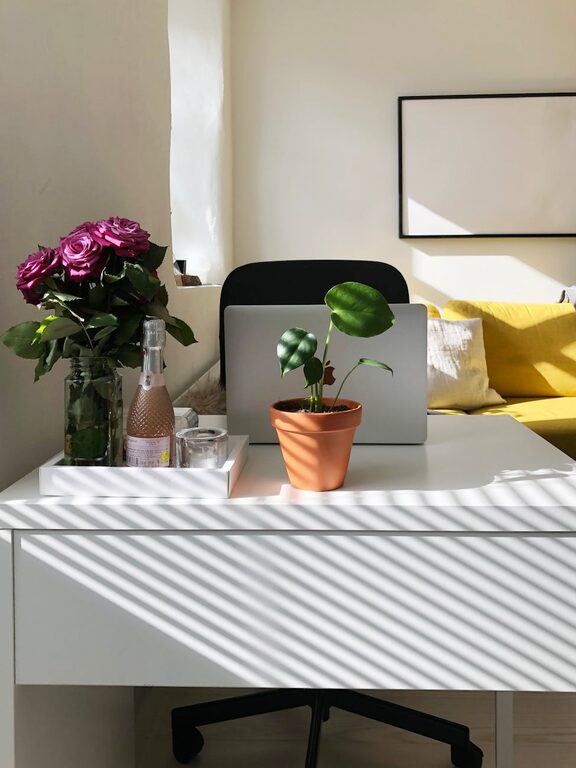
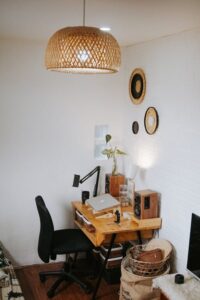
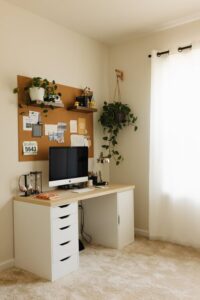
Working from home has become a common part of many people’s routines. Whether you’re a freelancer, remote employee, or running your own business, having a well-designed home office can make a big difference in how comfortable and productive you feel. Creating a space that supports focus and comfort is essential for getting the most out of your workday. Here are some helpful tips to set up a home office that works for you.
Choose the Right Location
The first step in creating a productive home office is selecting the right spot.
– Quiet and Private: Look for a place where you won’t be easily distracted by household noise or activities.
– Natural Light: If possible, pick a spot near a window. Natural light helps reduce eye strain and improves mood.
– Ventilation: Good airflow keeps the room fresh and comfortable throughout the day.
– Space for Essentials: Make sure you have enough room for your desk, chair, and any other tools or equipment you need.
Invest in a Comfortable Chair and Desk
Ergonomics should be a priority for your home office furniture.
– Ergonomic Chair: Choose a chair that supports your lower back with adjustable height and armrests.
– Desk Height: Your desk should allow your elbows to bend at about a 90-degree angle when typing.
– Standing Desk Option: If you like to alternate between sitting and standing, consider a height-adjustable desk.
– Organized Surface: A clutter-free desk helps keep your mind clear and focused.
Optimize Lighting
Proper lighting reduces eye strain and helps maintain energy levels.
– Balanced Lighting: Combine natural light with artificial light sources. Avoid harsh overhead lighting.
– Task Lighting: Use desk lamps with adjustable brightness to illuminate your workspace without glare.
– Positioning: Place light sources to minimize shadows on your work area.
Manage Noise and Distractions
Minimizing noise and distractions is key to staying productive.
– Noise-Canceling Headphones: These can help block out background sounds.
– Soundproofing: Add rugs, curtains, or foam panels to absorb noise if needed.
– Clear Boundaries: Set ground rules with family or housemates during work hours.
Organize with Storage Solutions
Keeping your home office tidy helps reduce stress and saves time.
– Shelves and Drawers: Use shelves to store books and files, and drawers for small supplies.
– Desk Organizers: Tools like pen holders, document trays, and cable management systems help keep everything in place.
– Digital Organization: Keep your computer desktop and files organized to streamline your workflow.
Personalize Your Workspace
Adding personal touches makes your office inviting and can improve motivation.
– Plants: Small plants add color and improve air quality.
– Artwork or Photos: Decorate with items that inspire or relax you.
– Color Scheme: Choose calming or energizing colors based on your preferences.
Prioritize Technology and Connectivity
Reliable technology is essential for a smooth workday.
– High-Speed Internet: Make sure your connection is fast and dependable.
– Good Equipment: Invest in a quality computer, monitor, keyboard, and mouse.
– Accessories: Consider extra items like a webcam, microphone, or printer as needed.
– Cable Management: Use clips or covers to keep cords organized and out of the way.
Establish a Routine and Break Space
Finally, creating habits and zones can boost productivity.
– Work Hours: Set clear start and end times to avoid overworking.
– Break Areas: Create a spot for short breaks to stretch, relax, or have a snack away from your desk.
– Exercise and Movement: Incorporate regular movement to reduce fatigue.
—
Designing a comfortable and productive home office takes some planning, but the benefits are well worth it. By focusing on ergonomics, lighting, organization, and personalization, you can create a workspace that supports your best work while keeping you comfortable throughout the day. Start small, and adjust your space over time to find what works best for you.